
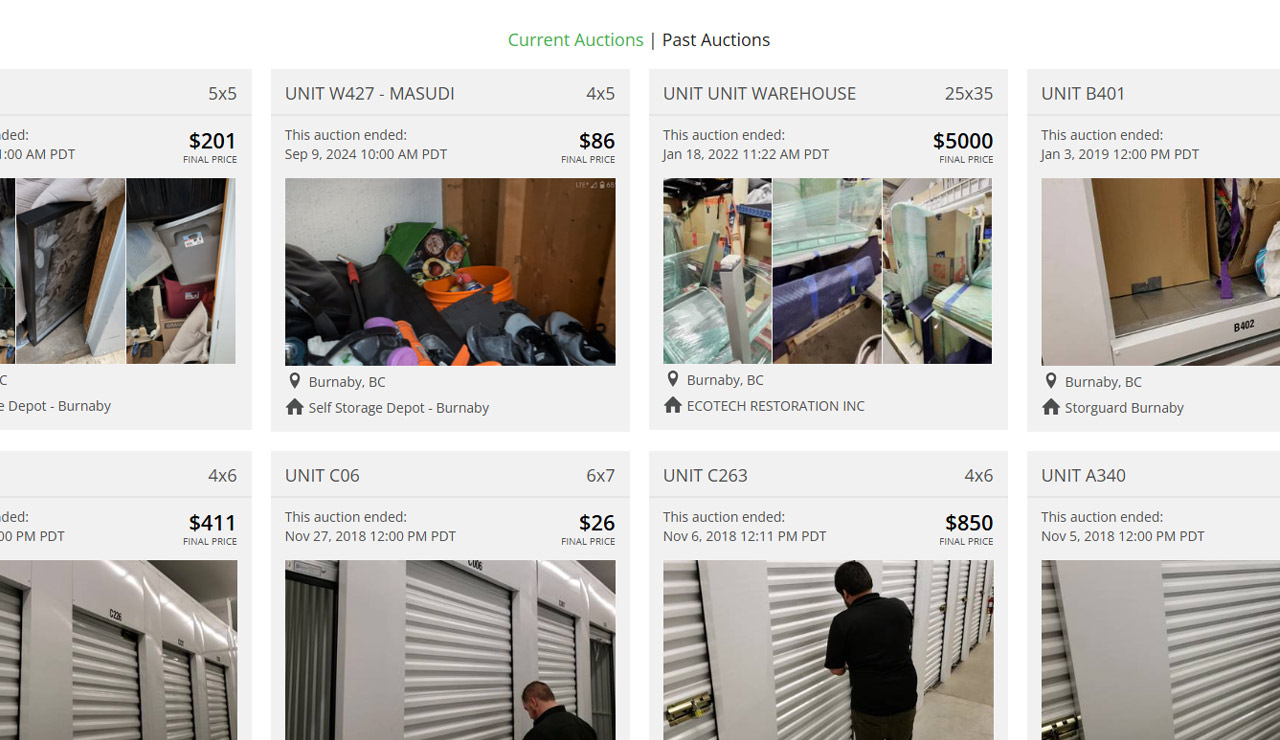
If you’ve ever been curious about storage unit auctions, you’re not alone. Every year, thousands of Canadians bid on abandoned units hoping to find something valuable inside and while it’s not quite the treasure hunt TV makes it out to be, it can be a genuinely rewarding experience when you go in prepared. The process is more straightforward than most people expect, and understanding how it works puts you in a much better position from the very first bid.
In this guide I’ll walk you through everything you need to know before you get started. From how a unit ends up at auction in the first place, to what happens the moment you win, to where to find active listings across Canada right now. Whether you’re just curious or already thinking about placing your first bid, this is the place to start.
What is an abandoned storage unit and why does it get auctioned?
When someone stops paying rent on their storage unit and can no longer be reached, the facility doesn’t just move on. In Canada, after a set period of missed payments; usually 60 to 90 days depending on the province, the unit is legally considered abandoned and the facility has the right to recover what it’s owed. This process is governed by provincial lien laws, and it ends with the contents being sold at public auction.
Storage facilities don’t actually enjoy getting to this point. Most of them will send multiple notices, try to reach the tenant by phone, and give plenty of time to settle the debt before listing anything for auction. The auction is really a last resort — a way to recover unpaid rent when every other option has been exhausted.
How to buy abandoned storage units, the step by step process?
If you’re just getting started, the first thing you need to do is find where the auctions are happening. In Canada, most storage facilities now list their units through online platforms like StorageTreasures, Bid13, or iBid4Storage. You can also check directly with facilities in your area, since some still run in-person auctions on site. StorageNear is a good starting point to locate facilities across Canadian cities that hold these sales regularly.
Once you find a listing you’re interested in, you’ll need to register before you can bid. Registration is usually free and takes just a few minutes online. On auction day, whether you’re showing up in person or bidding from your phone, make sure you have a valid ID and know the accepted payment methods in advance. Most facilities expect payment the same day you win, and many prefer cash or debit over credit cards.
Online auctions vs in-person auctions
The biggest difference between bidding online and attending in person is how much you can see. At a live auction, you stand at the door of the unit and take it all in before the bidding starts. Online, you’re working with whatever photos or short video clips the facility has uploaded, which can vary a lot in quality and detail.
For first-time buyers, in-person auctions can be a better learning experience. You get to watch how other bidders behave, pick up on the pace of things, and get a real feel for unit sizes and contents. Online auctions, on the other hand, are more convenient and give you access to listings across multiple cities without leaving home.
When you’re evaluating a unit from photos alone, look for signs of organization and care. Neatly stacked boxes, furniture with covers, or visible name-brand items tend to suggest a unit worth watching. A pile of loose garbage bags and broken furniture is usually a sign to move on. Visibility is limited no matter what, so setting a low maximum bid on any unit you can’t fully assess is always the smarter play.
Rules and legal obligations every buyer should know
Storage unit auctions in Canada are governed by provincial lien laws, and the rules can vary depending on where you are. In British Columbia, Ontario, Alberta, and most other provinces, facilities must follow a specific legal process before auctioning a unit, including written notices to the tenant and a mandatory waiting period. As a buyer, you don’t need to memorize the legislation, but it’s worth knowing that every legitimate auction you participate in has gone through that process before the listing ever goes live.
One rule that surprises a lot of first-timers is that you cannot enter or physically inspect a unit before you buy it. This isn’t up to the facility, it’s a liability and legal protection for everyone involved. You’re allowed to stand at the entrance and look in, but that’s as far as it goes. Knowing this ahead of time helps you set realistic expectations and bid accordingly.
Once you win, the clock starts. Most facilities give you 24 to 48 hours to clear out everything inside, and they expect the unit left clean and empty. That’s your responsibility as the new owner of the contents. One more thing worth knowing is that if the original tenant shows up and pays their full balance before the auction officially closes, the sale is cancelled and the unit is pulled from bidding. It doesn’t happen often, but it does happen, so don’t get too attached to any unit until you’ve actually won it.
How to bid smart and avoid common mistakes?
Before you bid on anything, set a number in your head and treat it as a hard limit. Auction energy is real, and it’s easy to get caught up in the back and forth with another bidder and spend more than you planned. The contents of a unit are always uncertain, and no amount of excitement in the moment changes that. A strict budget is the single most important tool you have as a beginner.
When you’re standing at the doorway sizing up a unit, look for signs that the person who rented it took care of their belongings. Covered furniture, labeled boxes, and organized shelving are good indicators. Loose bags, water damage, or a strong smell are usually signs to walk away. And if you spot something that looks valuable, keep it to yourself. Pointing out a promising item to the people around you only drives up the price you’ll end up paying.
What to do after you win a unit?
The moment you win, shift into practical mode. You have a short window to clear everything out, so it helps to bring boxes, bags, a dolly if you have one, and someone to help you work through it quickly. Don’t start tossing things before you’ve had a chance to look at them properly. A fast first sort into broad categories, keep, sell, donate, and trash, will save you a lot of regret later.
Before you discard anything, take a moment with unfamiliar items. Coins, stamps, vintage electronics, and old documents can carry value that isn’t obvious at first glance. If you’re unsure about something, set it aside and look it up before making any decisions. Selling something for nothing is a mistake that every experienced auction buyer has made at least once.
Work safely throughout the process. Wear cut resistant gloves and never reach into bags or boxes you haven’t visually checked first. People store all kinds of things, and occasionally that includes sharps, unknown chemicals, or other hazards. Taking a few extra seconds to look before you reach is always worth it.
Once you’ve sorted everything, you have plenty of options for what to do with it. Marketplace, Kijiji, and local flea markets are all solid channels for reselling. Usable items in good condition can go to donation centres. For everything else, check whether your local facility or municipality offers a convenient disposal option, since hauling junk is part of the job and it helps to have a plan for it before you start.
Is buying abandoned storage units worth it?
I’ll be honest with you, most beginners don’t make money on their first few units. The reality of storage auctions is a lot quieter and less glamorous than what you’ve seen on television. Some units are full of genuine finds, but plenty of others are packed with things nobody wants. The people who do well at this tend to have patience, a solid resale setup, and enough experience to know when to walk away from a bidding war.
A lot of what determines your success comes down to factors outside the unit itself. Where you’re located matters, because competition in larger cities like Toronto or Vancouver tends to push bids higher and shrink your margins. Having a clear plan for reselling, whether that’s online platforms, a booth at a flea market, or a local storefront, makes a significant difference in whether you actually turn a profit. If you go in without a resale strategy, you’ll likely end up with a garage full of stuff and no idea what to do with it.
Finding storage unit auctions near you in Canada
The main platforms serving Canadian buyers right now are StorageTreasures, Bid13, and iBid4Storage. Each of them lists active auctions by province and city, and registration is free on all three. Some facilities also post their own listings independently, so it’s worth checking directly with storage providers in your area if you want to stay ahead of what’s available.
StorageNear makes it easy to find storage facilities across Canada, including many that hold regular auctions. If you’re in British Columbia, Ontario, Alberta, or Quebec, you’ll find active markets with auctions running throughout the year. Browsing the directory by location is a practical way to discover facilities near you and get a sense of what’s available in your city.
To stay updated, most auction platforms let you set up alerts by region so you get notified when new units are listed. It’s worth doing this early, since popular units in competitive markets can attract significant attention within the first few hours of going live. The more time you have to evaluate a listing before bidding opens, the better your decisions will be.