Storage Security in Canada: How to Protect Your Inventory Without Overspending
Every year thousands of Canadians lose valuable belongings inside storage units. Some fall victim to theft while others open the door months later to find mold ruined furniture or damaged inventory. In most cases the problem is not bad luck but poor decisions made at the time of rental.
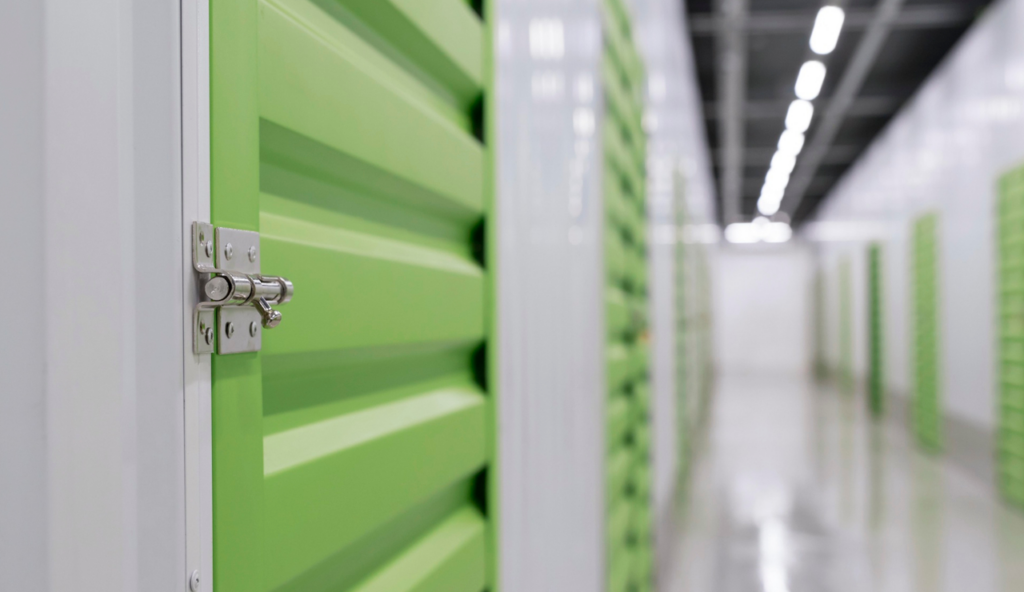
In British Columbia the biggest threat is not only crime but constant humidity. This guide shows how to protect your belongings without overspending by making strategic choices that prevent both theft and moisture damage.
The silent enemy in British Columbia that ruins stored belongings
Most people who rent a storage unit in British Columbia worry about theft first. In cities like Vancouver and Burnaby the biggest risk is not a break in. It is moisture in the air. Long wet winters create the perfect environment for mold, rust and warped materials. If you choose the wrong type of unit your inventory can be permanently damaged even when the door stays locked for months.
Heated units versus full climate control
A heated unit only keeps the temperature above freezing. It does not actively remove moisture from the air. During the rainy season in the Lower Mainland humidity easily builds up inside these spaces and slowly attacks everything you store.
This is why many tenants are surprised to find mold on furniture or corrosion on tools even though the unit was advertised as heated. Heat alone cannot stop condensation when damp air moves in and out of the building every day.
Climate controlled units regulate both temperature and humidity. They usually keep moisture below sixty percent which is the threshold where mold starts to grow. These units cost about twenty to thirty percent more per month but that small upgrade often prevents a total loss of inventory.
Items that truly need climate control
If you store business inventory such as clothing or boxed products moisture will quickly destroy packaging and fabrics. Electronics and appliances also suffer because corrosion builds up inside delicate components.
Paper documents wooden furniture and personal belongings are equally vulnerable. A single winter in a humid unit can leave them smelling musty warped or completely unusable which is far more expensive than paying a little extra for proper climate control.
Physical security that protects your storage unit without blowing your budget
Many people trust the lock that comes free with their storage rental or buy the cheapest one at a hardware store. This is a serious mistake. Most basic padlocks can be cut in seconds with simple bolt cutters and that makes your unit an easy target.
Storage theft is usually fast and quiet. Thieves look for weak locks because they want to be in and out before anyone notices. If your lock looks fragile it sends the message that your belongings are not well protected.
A disc lock made from hardened steel is one of the best low cost upgrades you can make. Its round shape leaves almost no space for cutting tools and it forces criminals to move on to an easier target. Spending thirty to fifty dollars here can save thousands in lost inventory.
Some modern facilities also support cylinder locks that sit flush inside the door. These are extremely hard to tamper with but only work on compatible doors. If your storage unit allows it this option offers even higher protection without increasing your monthly rent.
Storage insurance in Canada that actually protects your investment
Many renters assume their belongings are automatically covered once they move into a storage unit. In reality insurance is one of the most misunderstood parts of storage security and this is where people either overspend or discover too late that they were never protected at all.
Facility insurance pros and cons
Most storage companies in Canada offer their own insurance plan at the time of rental. It feels convenient because you can add it to your monthly bill in minutes.
The downside is the price compared to the protection. These plans often cost between ten and forty dollars per month while offering low coverage limits that may not even replace a single pallet of inventory.
Another common issue is exclusions. Mold pests and so called mysterious disappearance are often not covered which means if there is no clear sign of forced entry your claim can be denied.
Home or tenant insurance strategy
A smarter option is to review your existing home or tenant insurance policy. Many Canadian policies include off premises coverage which protects belongings stored outside your residence for a limited time or up to a percentage of your total coverage.
This means you might already be insured without paying anything extra. Call your provider and ask specifically about coverage for items kept in a rented storage unit.
Make sure you confirm the dollar limit and the time period because some policies only extend this protection during a move or for a short number of days.
Commercial inventory coverage
If you store products that you sell your personal insurance will not apply. Inventory used for business is considered commercial property and requires its own coverage.
In this case you need a small business insurance policy or an added rider that specifically lists your stored inventory. Skipping this step to save a few dollars can put your entire business at risk.
Operational habits that prevent total loss inside your storage unit
Small daily decisions have a bigger impact on storage security than most people realize. Most losses are not caused by dramatic break ins but by poor preparation and a lack of documentation. These simple operational habits cost very little yet they protect both your belongings and your ability to recover their value if something goes wrong.
Digital inventory and proof of loss
Before you lock the door for the last time take clear photos of everything inside your unit. Capture wide shots of the full space and close ups of valuable items including serial numbers when possible. Then create a simple spreadsheet listing each item with an estimated value. This does not need to be complicated but it must be complete.
If you ever need to file an insurance claim this record becomes your proof of loss. Canadian insurers often require detailed documentation and without photos or written records they may reduce your payout dramatically or deny parts of the claim altogether.
Never store items directly on concrete floors
Concrete is not dry even when it looks clean. It absorbs moisture from the ground and slowly releases it into the air inside your unit. In a wet climate like British Columbia this creates constant dampness right at floor level where most people stack their boxes.
Always raise your belongings using wooden pallets or plastic shelving. Even two inches of elevation is enough to protect cardboard packaging furniture legs and electronic equipment from slow moisture damage and small leaks that you may never notice until it is too late.
Choose the smartest spot inside the facility
Not all storage units face the same risk. Units located close to main entrances loading bays or elevators are the most exposed because they allow fast entry and exit. Thieves choose speed and visibility matters less to them than convenience.
When you have the option choose a unit deeper inside the building where access requires passing through more doors and hallways. This extra distance may seem minor but it significantly reduces the likelihood that your unit becomes a quick target.
Where to spend and where to save when protecting your storage unit?
Not every part of storage security deserves the same level of investment. Some upgrades offer massive protection for very little money while others only look helpful on paper. The goal is to spend on the items that prevent irreversible damage and save on everything that does not directly protect your inventory.
| Item | Spend | Why |
|---|---|---|
| Disc lock | 25 to 50 dollars | Primary physical defense |
| Climate control | About 20 percent more per month | Prevents mold and moisture damage |
| Facility insurance | Optional | Often better covered by your home policy |
| Pallets or shelving | Around 20 dollars | Keeps items off damp concrete |
A hardened disc lock and proper climate control deliver the highest return on investment because they stop the two biggest causes of loss in British Columbia which are theft and humidity. These are not luxury upgrades but core protection tools that should be part of every storage plan.
On the other hand many people overspend on facility insurance without first checking their existing home or tenant policy. By reallocating that money toward better physical protection and moisture control you improve real world security while keeping your monthly cost under control.
Smart storage security without unnecessary spending
Protecting your belongings does not require the most expensive unit in the city. It requires smart decisions such as reviewing your home or tenant insurance to understand what is already covered and buying a high quality disc lock that actually resists cutting. In British Columbia choosing climate control is not an upgrade but a form of damage prevention that often saves your inventory from mold and long term humidity.
Before you walk away from your unit for the last time take photos of everything inside and keep a simple digital inventory. Raise all boxes off the concrete using pallets or shelving and make your unit harder to access than the next one down the hall. These small steps cost very little yet they turn your storage unit into a protected space rather than a risky gamble.